
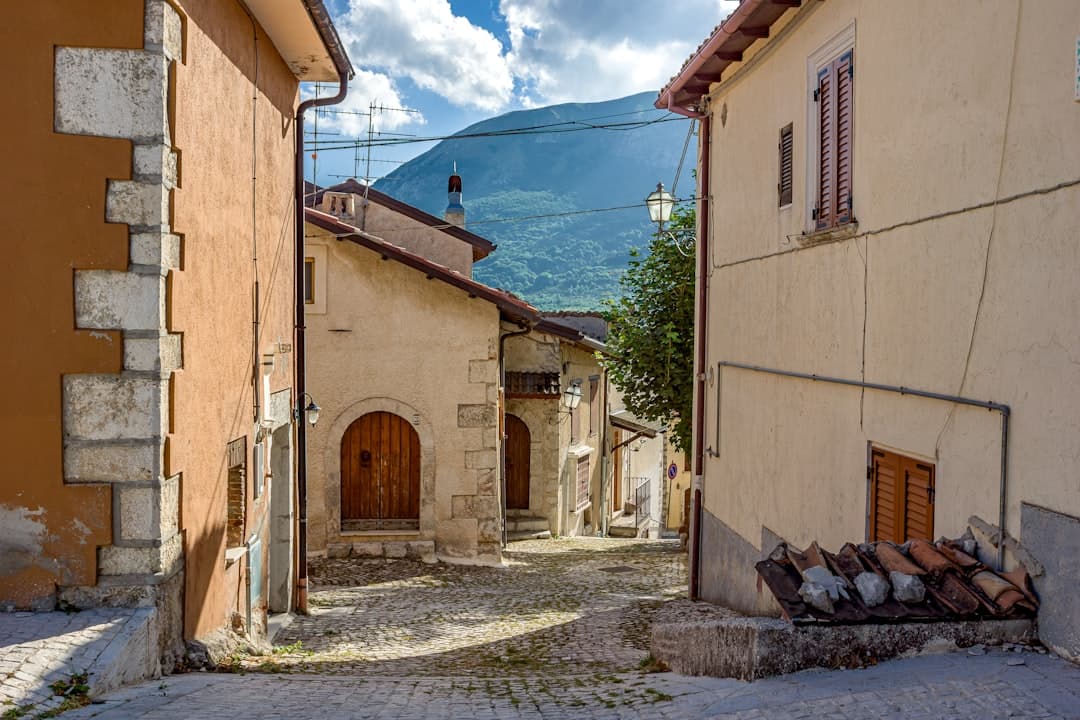
Abruzzo’s tourism success isn’t built on glossy brochures or manufactured attractions. It thrives because living traditions remain woven into daily life, creating authentic encounters that culturally conscious travelers crave. From ancient festivals honoring patron saints to community cooperatives managing heritage sites, tradition serves as both the foundation and the engine of sustainable tourism here. This article explores how Abruzzo’s deep cultural roots attract immersive travelers, support local economies, and maintain ecological balance while offering genuine connections that mass tourism destinations simply cannot replicate.
Table of Contents
-
Sustainable tourism through community-led tradition preservation
-
Innovative methodologies integrating traditions for enriched visitor engagement
-
Balancing economic benefits and overtourism risks through tradition
-
Experience Abruzzo’s traditions firsthand with tailored tours
Key Takeaways
| Point | Details |
|---|---|
| Traditions drive tourism | Abruzzo attracts immersive travelers by keeping living festivals and crafts integrated into daily life rather than staged performances. |
| Community led preservation | Cooperatives like Vivi Calascio manage large visitor flows while preserving heritage and supporting local livelihoods. |
| Low impact approach | Abruzzo pursues a low impact model with year round activities to spread benefits and reduce overcrowding. |
| Cultural trails governance | Cultural trails and participatory governance deepen visitor engagement and support local preservation. |
Traditions as the heartbeat of Abruzzo tourism
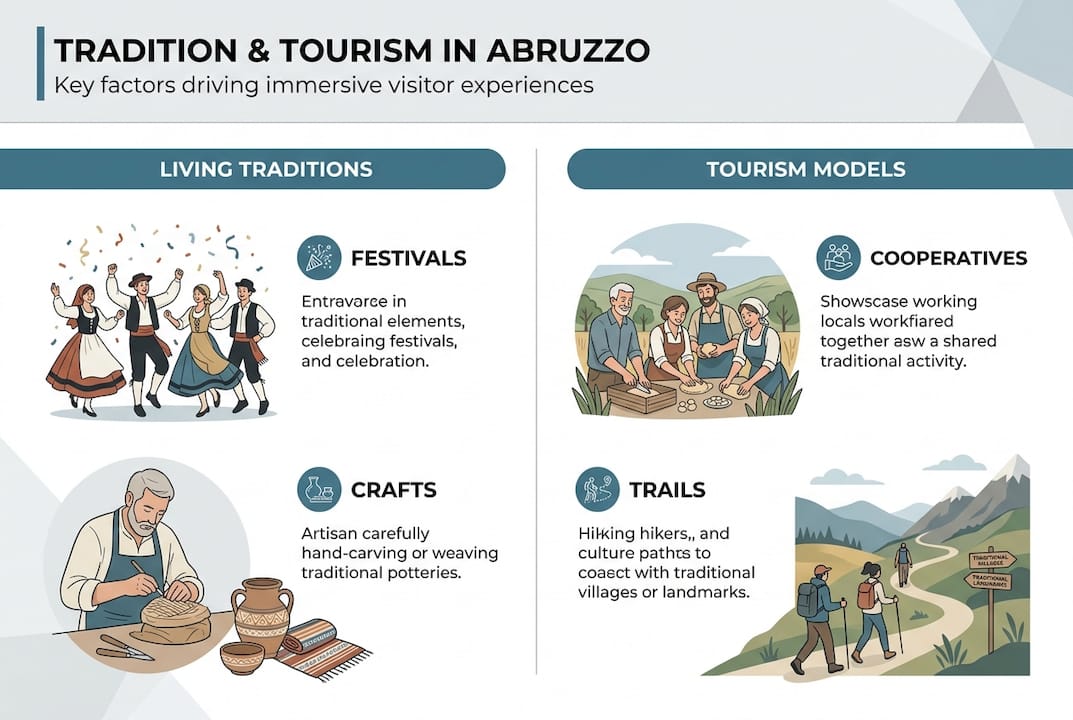
Abruzzo’s calendar pulses with festivals that transform villages into living museums. These aren’t staged performances for tourists. They’re genuine celebrations locals have practiced for centuries, now shared with visitors who seek something deeper than selfie opportunities.
The Cocullo Snake Festival exemplifies this phenomenon. Every May, thousands gather to watch statue bearers draped in live snakes parade through narrow streets, honoring San Domenico. Visitors don’t just observe. They join processions, taste traditional foods prepared by local families, and hear stories passed down through generations. The Comparanza a Fiori in Barisciano showcases another dimension, where competing neighborhoods create elaborate flower displays blending religious devotion with artistic expression. Meanwhile, Francavilla al Mare’s Carnival brings parades featuring handcrafted floats, regional delicacies, and folk music that invite spontaneous dancing.
These events create immersive experiences because they’re rooted in community identity rather than tourism revenue. Travelers engage with rituals that carry genuine meaning for residents. You might find yourself learning traditional bread-making techniques from a nonna whose family has used the same recipe for 200 years, or watching blacksmiths demonstrate centuries-old metalworking methods still employed today.
Major traditional experiences attracting immersive travelers:
-
Religious processions combining spiritual devotion with artistic pageantry
-
Seasonal harvest festivals celebrating local agricultural traditions
-
Craft workshops where artisans share techniques preserved across generations
-
Folk music performances featuring instruments and songs unique to mountain villages
-
Culinary events showcasing recipes tied to specific historical periods or patron saints
“When you participate in Abruzzo’s festivals, you’re not a spectator watching a show. You become part of a living tradition that connects past and present, transforming your understanding of what authentic travel means.”
This authenticity distinguishes Abruzzo from destinations where “cultural experiences” feel manufactured. The traditions exist independently of tourism, creating encounters that satisfy travelers seeking meaningful connections rather than Instagram moments.
Sustainable tourism through community-led tradition preservation
Community cooperatives have emerged as guardians of both heritage and sustainability in Abruzzo. These organizations demonstrate how tradition can anchor responsible tourism models that benefit locals while managing visitor impact.
Vivi Calascio stands out as a prime example. This cooperative manages over 30,000 annual visitors to Rocca Calascio, one of Italy’s highest fortresses, while preserving the site’s historical integrity and supporting the surrounding village. Rather than allowing uncontrolled access that would degrade both the monument and local life, the cooperative implements structured approaches that enhance visitor experiences while protecting what makes the place special.

Their model centers on what researchers call “empathic tourism,” balancing authentic cultural exchange with practical sustainability measures. Guided thematic tours connect visitors to specific aspects of local heritage, whether medieval architecture, transhumance traditions, or contemporary mountain life. E-bike rentals reduce vehicle traffic on narrow mountain roads while giving travelers active engagement with landscapes. Revenue flows directly back into restoration projects, educational programs for local youth, and support for traditional crafts that might otherwise disappear.
Steps community cooperatives take to ensure sustainable tradition preservation:
-
Establish visitor capacity limits based on site fragility and community tolerance
-
Train local guides who share personal connections to traditions being presented
-
Create revenue-sharing models ensuring tourism income supports heritage maintenance
-
Develop partnerships with artisans, farmers, and cultural practitioners for authentic programming
-
Implement monitoring systems tracking both visitor satisfaction and community well-being
-
Reinvest profits into educational initiatives teaching younger generations traditional skills
This approach addresses depopulation challenges facing many rural areas. By creating employment tied to cultural preservation, cooperatives give young people reasons to remain in ancestral villages rather than migrate to cities. Tourism becomes a tool for community continuity rather than displacement.
Pro Tip: When booking Abruzzo tours and travel packages, prioritize operators working directly with community cooperatives. You’ll gain deeper cultural access while ensuring your travel spending directly supports tradition preservation and local livelihoods.
“Community-led tourism transforms visitors from consumers into participants in heritage preservation. Every euro spent becomes an investment in keeping traditions alive for future generations.”
The cooperative model proves particularly effective because it aligns economic incentives with cultural preservation. Communities recognize that maintaining authentic traditions attracts the most valuable visitors, those willing to pay premium prices for genuine experiences rather than seeking the cheapest options.
Innovative methodologies integrating traditions for enriched visitor engagement
Abruzzo’s tourism strategy increasingly employs sophisticated methodologies that embed tradition into broader sustainable development frameworks. These approaches move beyond individual festivals or sites to create interconnected experiences spanning entire regions.
Thematic cultural trails represent one powerful innovation. These routes link tangible heritage like medieval churches and ancient bridges with intangible traditions such as storytelling practices, seasonal rituals, and craft techniques. A trail focused on transhumance, for example, connects shepherd paths, stone shelters, wool-working demonstrations, and traditional cheese-making, creating narrative journeys that reveal how geography, culture, and economy intertwine across centuries.
Participatory governance methods ensure these initiatives reflect community priorities rather than external assumptions. The Delphi method, involving iterative consultation with local stakeholders, helps identify which traditions hold greatest meaning for residents and how tourism can support rather than exploit them. This process prevents the commodification that often strips cultural practices of authentic meaning.
The Piano Borghi initiative, funded through Italy’s National Recovery and Resilience Plan, represents the most ambitious application of these methodologies. Targeting 288 villages across Abruzzo, the program invests in infrastructure, digital connectivity, and cultural programming that positions tradition as a foundation for economic renewal. Projects range from restoring historic centers to creating maker spaces where traditional crafts meet contemporary design.
| Methodology | Primary Focus | Key Outcomes | Visitor Benefits |
|---|---|---|---|
| Thematic Cultural Trails | Connecting heritage sites through narrative journeys | Increased visitor dwell time, deeper cultural understanding | Immersive multi-day experiences revealing cultural continuity |
| Participatory Governance | Community involvement in tourism planning | Authentic programming aligned with local values | Access to traditions communities genuinely want to share |
| Piano Borghi Funding | Infrastructure and cultural programming for 288 villages | Economic renewal tied to heritage preservation | Dispersed tourism reducing pressure on popular sites |
Benefits innovative methodologies bring to visitor engagement and preservation:
-
Create layered experiences revealing connections between different cultural elements
-
Distribute tourism benefits across wider geographic areas and more communities
-
Ensure programming reflects authentic local priorities rather than external stereotypes
-
Provide frameworks for continuous adaptation as both traditions and visitor expectations evolve
-
Generate data enabling evidence-based refinement of tourism management strategies
These approaches recognize that tradition isn’t static. Cultural practices evolve while maintaining core meaning, and tourism frameworks must accommodate that dynamism. By involving communities in ongoing governance, methodologies remain responsive to changing needs and opportunities.
The thematic trails and governance models also address a practical challenge: how to offer depth without overwhelming small communities. Spreading visitors across networks of villages and experiences prevents any single location from bearing unsustainable pressure while giving travelers richer understanding of regional culture.
Balancing economic benefits and overtourism risks through tradition
Heritage tourism generates substantial economic benefits for Abruzzo, but success brings risks. The challenge lies in capturing tourism revenue without sacrificing the authentic traditions that make the region attractive in the first place.
Economic data shows heritage tourism significantly boosts local prosperity, creating employment in hospitality, guiding, craft production, and cultural programming. Small villages see renewed vitality as abandoned buildings become guesthouses and young people find careers in cultural tourism. Traditional skills like stone masonry, textile production, and food preservation gain economic value, incentivizing their continuation.
However, overtourism threatens to undermine these gains. Excessive visitor numbers strain infrastructure, disrupt community life, and can transform living traditions into hollow performances staged for tourist consumption. Environmental degradation from increased traffic, waste, and resource use contradicts sustainability principles central to Abruzzo’s tourism identity.
Abruzzo addresses these tensions through carrying capacity planning that sets visitor limits based on site fragility and community tolerance. Popular locations implement timed entry systems preventing crowding. The region actively promotes agriturismi, farm stays that disperse visitors across rural areas while connecting them directly to agricultural traditions and local food systems. These accommodations typically host small groups, ensuring intimate cultural exchange rather than mass tourism dynamics.
Green Social Tourism initiatives further this approach by developing low-impact experiences emphasizing walking, cycling, and public transportation. Programs encourage off-season visitation when communities have more capacity to welcome guests and travelers can experience traditions in their natural rhythms rather than compressed peak-season performances.
| Factor | Economic Benefits | Overtourism Risks | Mitigation Strategies |
|---|---|---|---|
| Visitor Numbers | Job creation, business revenue | Infrastructure strain, community disruption | Carrying capacity limits, timed entry systems |
| Seasonal Concentration | Peak income periods | Service quality decline, environmental stress | Off-season promotion, year-round programming |
| Accommodation Types | Hospitality employment | Housing market pressure, community displacement | Agriturismo emphasis, dispersed lodging networks |
| Transportation | Regional connectivity | Traffic congestion, air quality issues | Green mobility options, public transit integration |
The agriturismo model deserves particular attention. These working farms offering accommodation create direct economic benefits for agricultural families while giving visitors authentic immersion in rural traditions. Guests participate in olive harvests, learn cheese-making, and understand how landscape, climate, and culture shape regional cuisine. This dispersed, low-intensity tourism model generates income without overwhelming any single community.
Pro Tip: Visiting Abruzzo during shoulder seasons like April to May or September to October ensures you experience traditions in their authentic context while supporting sustainable tourism goals. You’ll encounter fewer crowds, enjoy better prices, and have more meaningful interactions with locals who have time to share their knowledge and stories.
The heritage tourism economic impact demonstrates that sustainable models can deliver prosperity without sacrificing authenticity. Success requires constant vigilance, community involvement in decision-making, and willingness to prioritize long-term preservation over short-term revenue maximization.
Experience Abruzzo’s traditions firsthand with tailored tours
Understanding how tradition shapes Abruzzo’s tourism is valuable, but experiencing it transforms understanding into connection. Curated travel packages designed around authentic cultural engagement offer the immersive encounters this article describes.
These experiences go beyond typical tours. They connect you with community cooperatives managing heritage sites, artisans practicing traditional crafts, and families maintaining centuries-old agricultural practices. You’ll participate in seasonal festivals as a welcomed guest rather than an anonymous tourist, taste foods prepared using ancestral recipes, and explore landscapes where human culture and natural environment remain deeply intertwined.
Abruzzo tours and travel packages emphasize slow tourism principles, giving you time to absorb each experience rather than rushing through a checklist. Accommodations in agriturismi and village guesthouses ensure your presence supports local economies directly. Guides with personal connections to the traditions they share provide insights no guidebook can match.
Booking with operators committed to sustainable practices means your travel becomes part of the solution, supporting tradition preservation and community vitality rather than contributing to overtourism pressures.
Role of tradition in Abruzzo tourism FAQs
What are the main traditional festivals in Abruzzo and when do they occur?
The Cocullo Snake Festival happens every May, honoring San Domenico with processions featuring live snakes. Comparanza a Fiori in Barisciano occurs in late August, showcasing elaborate flower displays. Francavilla al Mare’s Carnival takes place in February with parades, folk music, and regional foods. Dozens of smaller village festivals celebrate patron saints and seasonal harvests throughout the year, offering authentic cultural encounters.
How does Abruzzo ensure tourism remains sustainable around popular traditions?
Community cooperatives like Vivi Calascio manage visitor access through capacity limits, guided tours, and reinvestment of tourism revenue into heritage preservation. Carrying capacity planning prevents overcrowding at sensitive sites. The region promotes off-season visitation and dispersed accommodation in agriturismi, reducing pressure on any single community while maintaining authentic cultural exchange.
Can visitors participate in local crafts and traditions during their stay?
Absolutely. Many experiences include hands-on workshops with artisans teaching traditional techniques like wool spinning, bread baking, cheese making, and ceramic crafting. Seasonal festivals welcome visitor participation in processions and celebrations. Agriturismi often involve guests in farm activities like olive harvesting or grape picking, providing genuine immersion in living traditions.
What role do community cooperatives play in preserving Abruzzo’s heritage?
Cooperatives manage heritage sites, develop sustainable tourism programming, and ensure revenue supports local communities. They train guides, establish visitor capacity limits, create partnerships with artisans and farmers, and reinvest profits into restoration and education. This model aligns economic incentives with cultural preservation, giving communities control over how their traditions are shared.
How can travelers avoid contributing to overtourism while enjoying traditional experiences?
Visit during shoulder seasons when communities have greater capacity to welcome guests. Choose accommodations in agriturismi and small village guesthouses rather than large hotels. Book tours with community cooperatives and local operators rather than international companies. Respect capacity limits and timed entry systems. Engage deeply with fewer experiences rather than rushing through many, and prioritize quality of cultural exchange over quantity of attractions visited.