
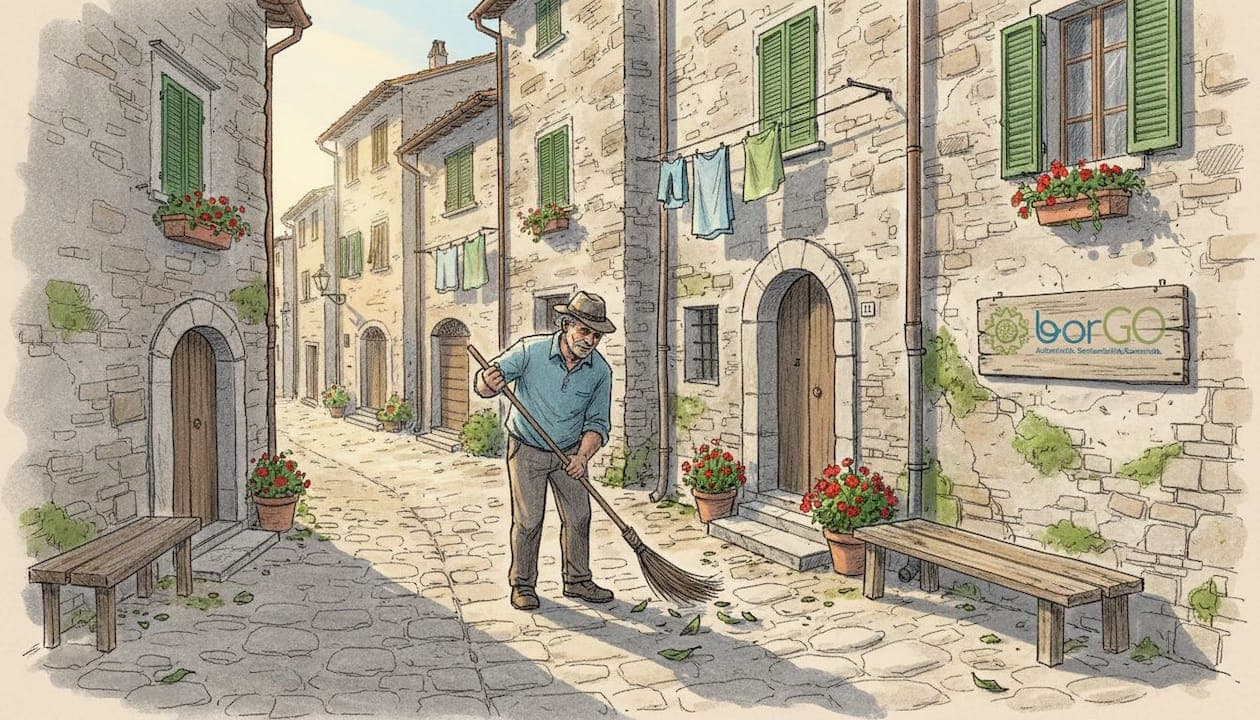
Most travelers who dream of 'real Italy' end up in Florence, Rome, or the Amalfi Coast, places that are undeniably beautiful but increasingly crowded and commercialized. The Italy that lingers in memory, the one with stone-paved alleys, elderly locals playing cards outside a bar, and a cook who insists you stay for another plate, lives in the villages most tourists never find. Italy has over 5,500 municipalities with fewer than 5,000 residents, and many of them hold centuries of culture, architecture, and tradition that no guidebook adequately captures. This article gives you the criteria, the curated list, and the comparison tools to find the hidden Italian village that fits your travel values.
Table of Contents
- What makes a hidden Italian village truly special?
- Curated list: 11 hidden Italian villages for immersive travel
- New and guest members for 2026: Italy's latest hidden gems
- How sustainable tourism is shaping hidden Italian villages
- Comparing Italy's hidden villages: Which one fits your travel style?
- Plan your immersive Italian village adventure
- Frequently asked questions
Key Takeaways
| Point | Details |
|---|---|
| Certified hidden gems | Look for villages recognized by I Borghi più belli d'Italia for true cultural value and authenticity. |
| Sustainable travel impact | Mindful tourism helps villages thrive, preserves heritage, and keeps local traditions alive. |
| Personalized village choices | Select a village that matches your interests, whether that’s festivals, nature, food, or unique architecture. |
| Supporting local communities | Your visit and participation in local events directly sustain small villages and their way of life. |
What makes a hidden Italian village truly special?
Before diving into the villages themselves, it's worth clarifying what 'hidden' actually means in this context, because the word gets misused constantly. A village isn't hidden simply because it lacks a Michelin star restaurant or a luxury hotel. True hidden villages earn that status through a combination of small population, preserved architecture, and a community that hasn't reorganized itself around tourist expectations.
The official Italian benchmark comes from I Borghi più belli d'Italia, which certifies villages based on strict criteria for historical, artistic, and cultural value. To qualify, a village must have fewer than 15,000 residents, maintain rigorous standards for architectural preservation, and demonstrate active cultural stewardship. That certification is a meaningful filter, not just a marketing badge.
Beyond the official stamp, here's what to look for when evaluating a village for authentic travel:
- Low visitor volume: Fewer than 50,000 annual visitors signals a place that hasn't been reshaped by mass tourism
- Living community: Residents who work, farm, and celebrate locally, not just serve tourists
- Sustainable restoration: Buildings repaired with local stone, lime, and traditional techniques
- Participatory experiences: Cooking classes, harvest festivals, craft workshops open to visitors
- Event-based access: Some villages manage visitor flow through seasonal festivals rather than year-round open doors
"The most meaningful village visits happen when travelers come as guests of the community, not consumers of a product. Preservation and responsible visitation are two sides of the same coin." — Italian rural tourism researcher
Sustainability in this context isn't just about recycling bins. It means the village's economy, culture, and physical fabric are still intact because tourism supports rather than overwhelms them. That's the standard we use throughout this article.
Curated list: 11 hidden Italian villages for immersive travel
Now, let's explore some remarkable hidden villages that capture these ideals and offer travelers something truly rare. These selections draw from a curated list of hidden villages that span Italy's diverse regions, each offering a distinct flavor of authentic life.
Civita di Bagnoregio (Lazio) sits on a crumbling tufa plateau accessible only by footbridge. With fewer than 10 permanent residents, it's nicknamed "the dying city," yet it pulses with life during summer festivals. Key experiences:
- Walking the single main street at dawn before day visitors arrive
- Visiting the cave cellars carved into volcanic rock
- Joining the annual Civita festival in August
Brisighella (Emilia-Romagna) is built around three rocky spurs, each topped by a medieval tower, clock tower, or sanctuary. It hosts one of Italy's most celebrated olive oil festivals each November.
- Tasting single-origin Brisighella DOP olive oil directly from producers
- Exploring the Via degli Asini, a covered medieval walkway
- Attending the Sagra dell'Oliva in November
Castelmezzano and Pietrapertosa (Basilicata) face each other across a dramatic Dolomiti Lucane gorge and are connected by the Volo dell'Angelo zipline. These twin villages share a fierce local rivalry and a shared passion for preserving Lucanian dialect poetry.
Apricale (Liguria) is a medieval hilltop village where the streets are so narrow that cars are banned entirely. Local artists have turned abandoned buildings into open-air galleries.
- Exploring the Castello della Lucertola
- Watching the annual summer theater performed in the piazza
- Buying handmade ceramics directly from village artisans
Other standout villages from the hidden villages list include Bobbio (Emilia-Romagna), Matera's satellite villages (Basilicata), Vallo di Nera (Umbria), Anversa degli Abruzzi (Abruzzo), Triora (Liguria), Monteriggioni (Tuscany), and Erice (Sicily). Each has a distinct identity rooted in geography, dialect, and craft tradition.
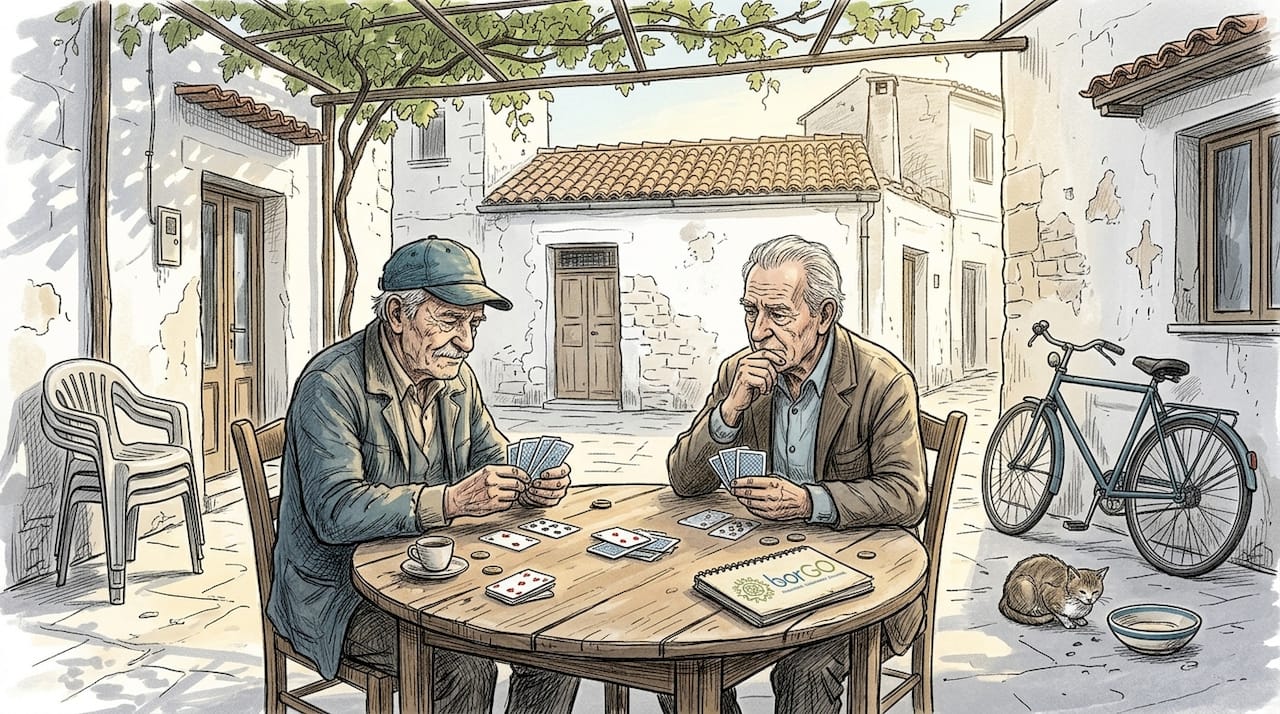
Pro Tip: Time your visit to coincide with a local sagra (food festival) or patronal feast. These events are not staged for tourists. They are genuine community celebrations, and showing up as a respectful participant rather than a spectator changes the entire experience. Check local comune websites in spring for autumn festival schedules.
For travelers interested in village travel experiences that go beyond surface sightseeing, Abruzzo in particular offers a concentration of lesser-known borghi within easy reach of each other, making multi-village itineraries both practical and deeply rewarding.
New and guest members for 2026: Italy's latest hidden gems
Alongside established favorites, several new villages have recently been recognized for their outstanding authenticity and sustainability. The 2026 Borghi new members include Rivello, Cusano Mutri, Castelvetro di Modena, and Limone sul Garda, each earning their place through documented preservation efforts and community-led tourism programs.
These new entries are especially valuable for conscious travelers because they haven't yet attracted the secondary wave of boutique hotels and Instagram-optimized cafes that often follow official recognition. You can visit them now, before the crowds discover them.
| Village | Region | Core feature | Visitor tip |
|---|---|---|---|
| Rivello | Basilicata | Byzantine and Norman heritage, hilltop churches | Visit during the Feast of San Nicola in May |
| Cusano Mutri | Campania | Medieval architecture, Matese mountains | Hike the Titerno river gorge in early autumn |
| Castelvetro di Modena | Emilia-Romagna | Lambrusco wine culture, Renaissance walls | Join a harvest event in October |
| Limone sul Garda | Lombardy | Historic lemon terraces, lakeside setting | Arrive by ferry to avoid road congestion |
Guest membership status, a provisional recognition tier, signals that a village is actively working toward full certification. This means travelers who visit guest members are directly supporting ongoing heritage preservation through their spending. Staying at a local agriturismo, eating at a family-run trattoria, or buying from a village artisan during this period has a measurable impact on whether the village achieves full recognition.
For local village interactions that connect you with these emerging destinations, planning ahead with a locally rooted travel partner makes the difference between a surface visit and a genuinely transformative one.
How sustainable tourism is shaping hidden Italian villages
It's not just the scenery that makes these villages unique. Their approach to tourism is as innovative as their history. Across Italy, sustainable village initiatives like natural material restoration, composting programs, and slow tourism events are actively supporting village heritage and preventing depopulation.
Here's how the most forward-thinking villages are putting sustainability into practice:
- Eco-restoration: Buildings repaired using local stone, traditional lime mortar, and reclaimed timber, keeping craft skills alive and reducing carbon footprint
- Renewable energy: Solar panels integrated discreetly into rooflines, and wood-pellet heating systems sourced from managed local forests
- Visitor flow management: Timed entry systems, festival-based access, and caps on daily visitor numbers to prevent overcrowding
- Local food systems: Village-run markets, farm-to-table dining, and seed-saving cooperatives that keep traditional crop varieties alive
- Cultural programming: Workshops in weaving, ceramics, cheese-making, and dialect storytelling that generate income for artisans while educating visitors
The numbers back this up. Slow tourism arrivals in Italy's small borghi rose by nearly 7% in 2025, driven largely by travelers actively seeking alternatives to overcrowded cities. That growth is meaningful because it shows demand is shifting, not just in marketing language but in actual booking behavior.
Your role as a visitor matters more than you might think. When you spend money at a village bakery instead of a chain supermarket, or join a local events and workshops program instead of a generic tour, you directly support the economic case for keeping these communities alive. Depopulation is the single biggest threat to Italy's hidden villages, and conscious tourism is one of the most effective tools against it.
Comparing Italy's hidden villages: Which one fits your travel style?
With so many options, a quick comparison can help you zero in on the right village for your personal travel values. The table below covers key dimensions that matter most for culturally conscious travelers.
| Village | Region | Population | Top highlight | Sustainability focus | Best for |
|---|---|---|---|---|---|
| Civita di Bagnoregio | Lazio | Under 10 | Tufa plateau, medieval streets | Visitor limits, no cars | Solo travelers, photographers |
| Brisighella | Emilia-Romagna | ~2,200 | Olive oil, medieval towers | Local food systems | Food lovers, couples |
| Castelmezzano | Basilicata | ~800 | Dolomiti Lucane, zipline | Eco-building, dialect preservation | Adventure seekers |
| Apricale | Liguria | ~600 | Car-free streets, art galleries | Artisan economy | Art lovers, walkers |
| Anversa degli Abruzzi | Abruzzo | ~400 | Sagittario gorge, wolf sanctuary | Nature conservation | Hikers, nature lovers |
| Rivello | Basilicata | ~2,000 | Byzantine churches | Heritage certification | History enthusiasts |
| Cusano Mutri | Campania | ~4,000 | Medieval core, mountain trails | Slow tourism events | Families, hikers |
As Italy's smallest villages show, some municipalities have under 100 residents, which means visitor impact is amplified in both positive and negative directions. A single busload of tourists can overwhelm a village of 80 people. A small group of respectful, engaged travelers can fund a year of restoration work.
Before you book, ask yourself these questions:
- Do I want a village with active festivals, or one that offers quiet daily life immersion?
- Am I traveling solo, as a couple, or with a group? (Smaller villages suit smaller groups)
- Is accessibility a priority? Some villages involve steep climbs or limited public transport
- Do I want to focus on food, history, nature, or craft traditions?
- How much do I want to interact with locals versus explore independently?
For remote workers and solo travelers, villages with a small but active expat or creative community, like Apricale or Brisighella, offer the best balance of solitude and social connection. For families, villages with active festival calendars and outdoor activities, like Cusano Mutri, provide structure without sacrificing authenticity.
Plan your immersive Italian village adventure
Once you've selected your perfect village, making the most of your visit is easy with expert local support. Knowing which festival to time your trip around, which family-run agriturismo genuinely reflects village life, or which trail leads to a view no travel blog has photographed yet requires the kind of insider knowledge that only comes from being rooted in a place.
At bor-go.eu, we build crafted Abruzzo experiences that connect you directly with the people, places, and traditions that make Italy's hidden villages worth the journey. Whether you want a guided hike through the Sagittario gorge, a wine tasting with a small-batch producer, or a multi-village itinerary that threads through Abruzzo's most authentic borghi, we handle the logistics so you can focus on the experience. Our approach is rooted in slow tourism principles: small groups, local guides, and genuine community benefit. If you're ready to move from inspiration to action, we'd love to help you plan a trip that leaves both you and the village better for it.
Frequently asked questions
What is the most authentic Italian village to visit in 2026?
Civita, Apricale, and Rivello are among the top picks for 2026, with Rivello newly listed as a Borghi member and backed by active preservation programs.
How can I support sustainable tourism in Italian villages?
Choose villages certified by heritage associations, stay at locally owned accommodations, and join eco-friendly activities like restoration workshops or farm visits that directly fund community programs.
Are there still villages in Italy with less than 100 residents?
Yes, places like Roccafiorita, Baradilli, and Celle San Vito have under 100 inhabitants, offering some of the most intimate and unfiltered experiences available in Italy today.
What's the best time of year to visit these hidden villages?
Spring and early autumn are ideal, as cultural festivals and slow tourism events cluster in these seasons and crowds remain manageable compared to peak summer months.