

Finding authentic cultural experiences that genuinely support local communities remains a challenge for travelers seeking more than surface-level tourism. Many visitors to Italy’s regions struggle to connect with traditions, artisans, and landscapes in ways that benefit both traveler and host community. Abruzzo offers a different path through community-led initiatives that prioritize sustainability, cultural preservation, and meaningful engagement. This guide walks you through preparing for, participating in, and measuring the impact of authentic cultural experiences in one of Italy’s most unspoiled regions, where slow travel meets genuine hospitality.
Table of Contents
Key Takeaways
| Point | Details |
|---|---|
| Cooperatives benefit locals | Booking through community cooperatives directs spending to local families and supports sustainable tourism. |
| Partner with local artisans | Engaging with local guides and artisans delivers authentic culture and supports traditional crafts. |
| Slow travel approach | Small group formats and slow itineraries minimize environmental impact while preserving authenticity. |
| Plan around festivals | Timing your visit with grape harvests, truffle seasons, and religious celebrations reveals unique experiences and access. |
What you need before your cultural experience
Preparing for authentic cultural immersion in Abruzzo starts with understanding the region’s commitment to slow travel and sustainable tourism. Unlike mass-market destinations, Abruzzo’s villages and natural parks thrive on small-scale, community-driven initiatives that protect both cultural heritage and ecosystems. Sustainable tourism methodologies include slow travel, local partnerships, and natural heritage protection, forming the foundation of responsible exploration here. Before you arrive, research which cooperatives operate in your areas of interest, as these organizations ensure your spending directly benefits local families rather than external corporations.
Your packing list should reflect both cultural sensitivity and practical readiness for diverse activities. Comfortable hiking boots prove essential for mountain trails and village cobblestones alike. Bring layers suitable for changing weather in national parks, plus modest clothing appropriate for visiting small churches and participating in traditional events. A reusable water bottle, sunscreen, and a small daypack complete your essentials. Consider packing a notebook to record artisan techniques you observe or recipes you learn during cooking workshops.
Language preparation enhances every interaction, even though many guides speak English. Learn basic Italian phrases for greetings, gratitude, and food-related conversations. Locals appreciate the effort, and simple exchanges often lead to deeper connections. Research the seasonality of festivals and agricultural activities, as timing your visit around grape harvests, truffle season, or religious celebrations opens doors to experiences unavailable year-round. Spring brings wildflower hikes and Easter traditions, while autumn offers harvest festivals and mushroom foraging.
Coordinating with small, community-based tour operators before arrival ensures availability and proper group sizing. Many authentic experiences limit participants to preserve quality and minimize environmental impact. Reach out to Abruzzo tours and travel packages providers who emphasize local partnerships and sustainable practices. These operators can advise on current conditions, festival dates, and which artisans welcome visitors during your travel window.
Pro Tip: Contact accommodations in advance to ask about their partnerships with local cooperatives. Family-run guesthouses often connect guests directly with nearby artisans, farmers, and guides, creating seamless access to authentic experiences while supporting interconnected local businesses.
| Preparation category | Essential items | Purpose |
|---|---|---|
| Physical gear | Hiking boots, weather layers, daypack | Comfort during outdoor activities and village walks |
| Cultural tools | Italian phrasebook, modest clothing | Respectful engagement with traditions and communities |
| Research | Cooperative contacts, festival calendar | Access to authentic experiences and optimal timing |
| Booking | Small-group tour confirmations | Guaranteed participation in limited-capacity activities |
How to engage authentically with local culture and communities
Authentic engagement begins with choosing experiences managed by community cooperatives that prioritize local benefit over profit maximization. Community-based cooperatives manage tourism via inclusive governance and eco-sustainable activities, attracting 30,000 visitors annually, demonstrating both popularity and sustainability. Organizations like Vivi Calascio operate under democratic principles where community members shape tourism offerings, ensuring activities reflect genuine traditions rather than manufactured attractions. When you book through these cooperatives, your participation directly funds village infrastructure, cultural preservation projects, and local employment.
Follow these steps to maximize your cultural immersion:
-
Select cooperative-managed experiences first. Prioritize tours and activities operated by local collectives rather than external agencies. These organizations maintain authentic practices because community members have personal stakes in preserving their heritage.
-
Participate in hands-on workshops. Cooking classes using regional ingredients, traditional craft demonstrations, and agricultural activities like olive harvesting create active learning opportunities. You gain skills while supporting artisans who maintain centuries-old techniques.
-
Join cultural heritage walks with local guides. Village residents who lead walking tours share personal stories and historical context unavailable in guidebooks. Their narratives connect architecture, landscapes, and traditions in ways that deepen understanding.
-
Attend seasonal festivals as a respectful participant. Religious processions, harvest celebrations, and village feasts welcome visitors who observe customs and engage genuinely. Research appropriate behavior beforehand to honor local traditions.
-
Balance guided and self-directed exploration. Guided tours in Abruzzo focus on small groups, hiking, food workshops, and seasonal festivals to preserve authenticity, but independent time allows personal discovery. Rent e-bikes for self-paced village exploration or follow marked trails through national parks.
Group size dramatically affects experience quality and environmental impact. Request tours limited to eight participants or fewer. Smaller groups facilitate meaningful conversations with hosts, reduce noise in quiet villages, and minimize trail wear in natural areas. Many cooperatives naturally limit capacity, but confirming numbers when booking ensures you avoid overcrowded experiences that dilute authenticity.
Engage directly with artisans and farmers whenever possible. Visit cheese makers during production hours, watch blacksmiths at their forges, or join shepherds moving flocks to seasonal pastures. These unmediated interactions reveal the rhythm of rural life and create opportunities for genuine cultural exchange. Purchase products directly from makers rather than through intermediaries, ensuring they receive full value for their work.

Pro Tip: Ask your accommodation host to introduce you to neighbors with specific skills or knowledge. Personal introductions open doors to experiences not advertised publicly, from private wine cellar tours to invitations to family meals, creating connections that transcend typical tourist interactions.
| Experience type | Engagement level | Community benefit | Environmental impact |
|---|---|---|---|
| Cooperative-led workshops | High (hands-on participation) | Direct income to artisans | Low (small groups, local materials) |
| Small-group guided hikes | Medium (guided learning) | Guide employment, trail maintenance | Low (limited capacity, designated paths) |
| Self-guided e-bike tours | Medium (independent exploration) | Equipment rental fees, village spending | Very low (zero emissions, flexible timing) |
| Large bus tours | Low (passive observation) | Minimal local benefit | High (congestion, infrastructure strain) |
Common challenges and how to avoid them
Over-commercialized tours represent the primary threat to authentic cultural experiences. Large operators often create sanitized versions of traditions designed for mass consumption rather than genuine representation. These experiences employ actors instead of community members, substitute imported ingredients for local products, and rush through activities to accommodate oversized groups. Avoid this trap by verifying that operators reinvest profits locally and employ community residents. Guided tours risk over-commercialization; self-guided options and seasonal limits protect authenticity, making research essential before committing to any experience.
Respecting local customs and environmental regulations prevents unintentional harm. Some villages maintain quiet hours during afternoon riposo, sacred sites require modest dress, and certain trails close seasonally to protect wildlife breeding. Ignorance doesn’t excuse violations that disrupt daily life or damage ecosystems. Before arriving in each new location, review posted guidelines and ask hosts about local expectations. National parks enforce specific rules about trail usage, camping, and wildlife observation. Follow marked paths, carry out all waste, and maintain distance from animals like the Marsican brown bear and Apennine wolf that inhabit these protected areas.
Practicing empathic tourism means recognizing that communities welcome visitors but don’t exist solely for tourist entertainment. Residents balance tourism income with agriculture, traditional crafts, and family life. Schedule activities around local rhythms rather than expecting constant availability. Support businesses year-round by visiting during shoulder seasons when tourism income matters most. Understand that some families limit visitor numbers to preserve quality of life, and respect these boundaries rather than pressuring for access.
Balancing guided activities with self-directed exploration requires intentional planning. Over-scheduling eliminates spontaneity and prevents the slow travel philosophy that defines sustainable tourism. Book one or two guided experiences per location, then leave time for wandering villages, sitting in piazzas, and following curiosity. Use eco-friendly transport like e-bikes or local buses for independent exploration, reducing carbon footprint while maintaining flexibility. This balance allows structured learning from expert guides while preserving space for unexpected discoveries.
Supporting cooperatives that reinvest profits into fighting depopulation creates lasting positive impact. Many Abruzzo villages face declining populations as younger generations move to cities for employment. Tourism cooperatives create local jobs, fund infrastructure improvements, and provide reasons for families to remain in ancestral communities. Choose accommodations, restaurants, and activity providers affiliated with these initiatives. Your spending becomes an investment in community survival rather than extraction of resources for external profit.
-
Verify operator credentials through cooperative registries or sustainable tourism certifications
-
Schedule activities during appropriate seasons to avoid environmental stress periods
-
Learn and follow local etiquette for greetings, dining, and public behavior
-
Limit daily activities to allow unstructured time for authentic encounters
-
Purchase directly from producers to maximize their income retention
-
Ask permission before photographing people, private property, or religious ceremonies
“Empathic tourism recognizes that host communities are partners in cultural exchange, not service providers. Visitors who approach experiences with humility and genuine interest create mutual benefits that transcend economic transactions, fostering connections that enrich both traveler and host.”
Measuring success: what to expect from your experience
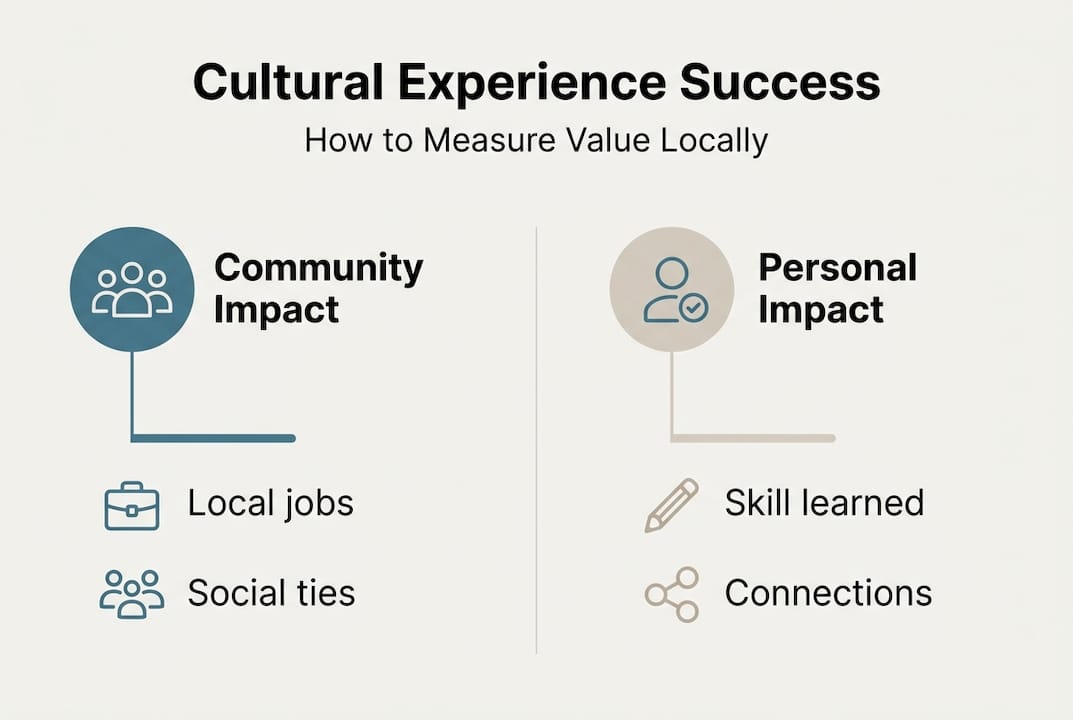
Evaluating the impact of your sustainable cultural tourism requires looking beyond personal satisfaction to community and environmental outcomes. Economic indicators provide the clearest measures of local benefit. Observe whether villages show signs of investment in infrastructure, such as restored historic buildings, improved roads, or new community facilities. Ecotourism boosts local economies with new guesthouses and heritage projects under UNESCO conventions, creating visible improvements in quality of life. Notice whether young people remain in villages, operating businesses and participating in community life, as their presence signals economic viability.
Social engagement improvements reflect successful sustainable tourism models. Communities practicing cooperative governance demonstrate shared decision-making about tourism development, ensuring benefits distribute equitably. Vivi Calascio’s empathic tourism fosters participatory community benefits and preservation, creating training programs that build local capacity for sustainable management. Look for evidence of cultural preservation efforts, such as festivals maintaining traditional elements, artisans teaching younger generations, and museums documenting local history. These indicators reveal whether tourism strengthens rather than commodifies cultural identity.
Ecological indicators demonstrate environmental stewardship. Protected areas like Gran Sasso National Park and Majella National Park maintain healthy populations of bears, wolves, chamois, and golden eagles when tourism respects carrying capacity. Observe whether trails show signs of erosion or overuse, whether wildlife appears stressed by human presence, or whether natural areas remain pristine. Successful sustainable tourism leaves minimal environmental footprint while generating funds for conservation efforts.
Your personal cultural immersion serves as a qualitative measure. Genuine experiences create lasting memories of specific individuals, conversations, and shared moments rather than generic tourist activities. You should leave with new skills, deeper understanding of traditions, and connections to real people. If experiences feel staged or superficial, they likely failed to achieve authentic engagement. Meaningful cultural exchange leaves both visitor and host enriched, with mutual respect and understanding deepened.
Certifications and partnerships reflecting sustainable tourism standards provide external validation. Look for operators affiliated with recognized sustainability organizations, UNESCO heritage initiatives, or regional cooperative networks. These affiliations indicate commitment to established best practices and accountability to oversight bodies. However, absence of formal certification doesn’t necessarily indicate poor practice, as many small cooperatives operate sustainably without pursuing expensive certification processes.
| Impact category | Positive indicators | What to observe |
|---|---|---|
| Economic | New local businesses, infrastructure improvements | Renovated buildings, young entrepreneurs, diverse services |
| Social | Cultural preservation, inclusive governance | Active festivals, artisan apprenticeships, community meetings |
| Environmental | Protected wildlife, pristine natural areas | Healthy animal populations, clean trails, conservation funding |
| Personal | Meaningful connections, skill development | Specific memories of individuals, practical knowledge gained |
Pro Tip: Keep a journal documenting your interactions with specific community members, skills learned, and observations about local life. Reviewing these notes weeks later reveals whether experiences created lasting impact on your understanding or faded into generic travel memories, helping you evaluate authentic engagement.
-
Track spending to ensure the majority goes directly to local businesses rather than external companies
-
Note whether guides and hosts demonstrate pride in sharing their culture versus performing for tourists
-
Assess whether you gained understanding of challenges facing rural communities, not just romantic notions
-
Consider whether your presence contributed positively or created burden for hosts
-
Evaluate if experiences inspired behavior changes in your own community or future travel choices
Explore authentic Abruzzo experiences with borGO
Navigating Abruzzo’s landscape of authentic cultural experiences becomes effortless when you partner with specialists who prioritize community benefit and environmental stewardship. borGO curates immersive journeys that connect you directly with local cooperatives, artisan workshops, and seasonal celebrations throughout the region’s villages and national parks. Every experience supports families preserving centuries-old traditions while protecting the natural beauty that defines this remarkable corner of Italy.
Discover guided walks through medieval villages where residents share personal stories, participate in hands-on workshops teaching traditional crafts and regional cuisine, and explore pristine mountain trails home to Europe’s rarest wildlife. Abruzzo tours and travel packages designed by borGO balance structured activities with flexibility for spontaneous discovery, ensuring your journey reflects the slow travel philosophy that makes sustainable tourism meaningful. Book your tailored Abruzzo experience and become part of a community-centered approach to cultural preservation.
FAQ
What is the best time of year to visit Abruzzo for cultural experiences?
Spring from April through early June and autumn from September through October offer ideal conditions for cultural immersion. These shoulder seasons provide mild weather perfect for hiking and village exploration while coinciding with key festivals like Easter processions, grape harvests, and truffle celebrations. Visiting outside peak summer months reduces your environmental impact and allows more intimate interactions with locals who face less tourism pressure during these periods.
How do I choose between guided and self-guided tours in Abruzzo?
Guided experiences with local experts provide irreplaceable cultural context, access to private locations, and direct community support through employment. Self-guided options using e-bikes or marked trails offer flexibility and reduce group impact on sensitive environments. The optimal approach combines both: book guided activities for complex cultural experiences like artisan workshops or festival participation, then reserve self-directed time for personal exploration and spontaneous village discoveries.
Can I participate in local festivals as a tourist?
Visitors receive warm welcomes at most Abruzzo festivals when they demonstrate genuine respect for traditions and local customs. Religious processions, harvest celebrations, and village feasts welcome observers who dress modestly, follow participation guidelines, and engage authentically rather than treating events as entertainment spectacles. Research specific festivals beforehand to understand their significance and appropriate visitor behavior, ensuring your presence honors rather than disrupts these meaningful community gatherings.
How does supporting cooperatives benefit local communities in Abruzzo?
Cooperatives operate under democratic governance structures where community members collectively decide how tourism develops and profits distribute. This model ensures spending stays within villages, funding infrastructure improvements, cultural preservation projects, and local employment rather than enriching external corporations. Cooperatives combat rural depopulation by creating economic opportunities that allow families to remain in ancestral communities, maintaining the living culture that makes authentic experiences possible for future generations of both residents and visitors.